
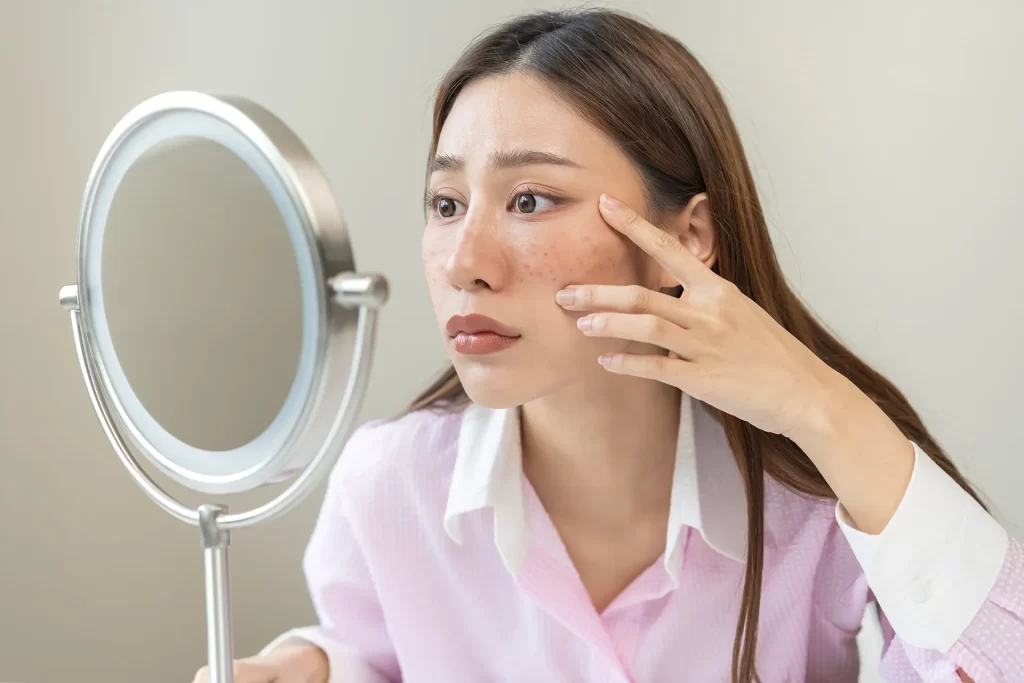
Melasma is a common skin condition that causes dark, discoloured patches to appear on the skin, primarily on the face. These patches are typically brown or grey-brown and most commonly found on the cheeks, forehead, nose, and upper lip. While anyone can develop melasma, it is particularly prevalent among women and those with darker skin tones.
According to a survey conducted in 2019, nearly 70% of respondents above 44 in Singapore indicated pigmentation/melasma as their top concern.*
*Survey results published by R. Hirschmann on Statica in 2024.
Melasma is classified into three types based on the depth of pigmentation:
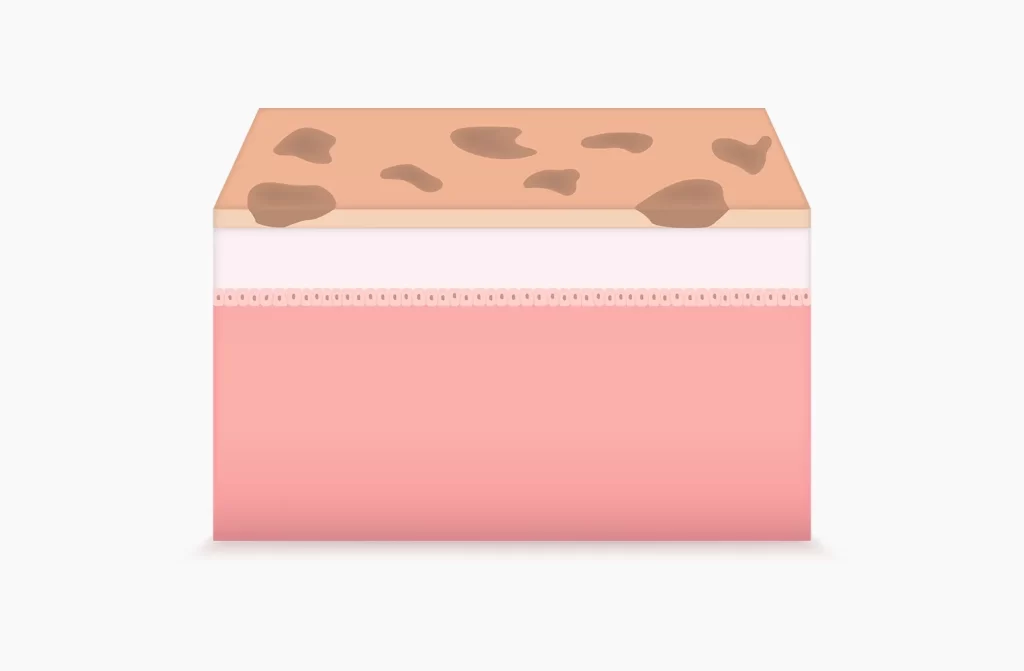
Epidermal melasma affects the outermost layer of the skin, appearing as dark brown patches with well-defined borders. The pigmentation is superficial, making it more responsive to topical treatments and procedures like chemical peels.
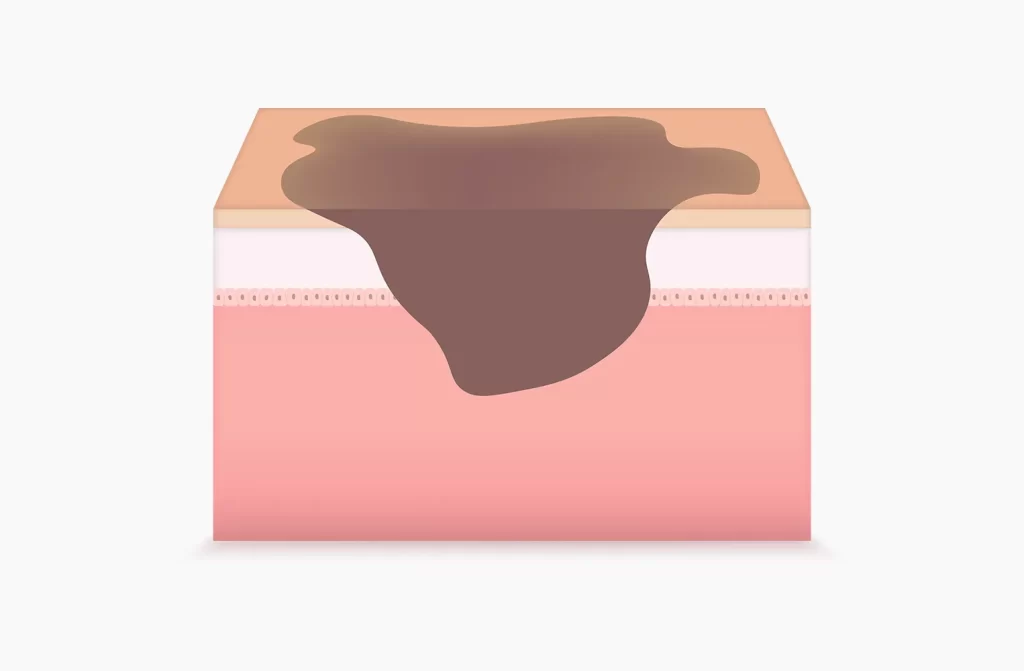
Dermal melasma occurs in the deeper layers of the skin, presenting as light brown or bluish patches with less defined borders. The deeper pigmentation makes treating it more challenging, often requiring laser therapy for effective results.

Mixed melasma combines both epidermal and dermal characteristics, showing dark and light brown patches. Treatment for mixed melasma typically involves a combination of topical treatments, chemical peels, and laser therapy to address pigment at multiple skin depths.
Several factors can trigger or worsen melasma, including:
UV rays stimulate melanocytes, increasing melanin production and leading to pigmentation.
Pregnancy, birth control pills, and hormone replacement therapy can cause melasma.
A family history of melasma increases the likelihood of developing the condition.
Certain drugs can make the skin more sensitive to sunlight, triggering melasma.
UV rays stimulate melanocytes, increasing melanin production and leading to pigmentation.
Pregnancy, birth control pills, and hormone replacement therapy can cause melasma.
A family history of melasma increases the likelihood of developing the condition.
Certain drugs can make the skin more sensitive to sunlight, triggering melasma.
Several factors increase the risk of developing melasma, such as:
The main symptom of melasma is the appearance of discoloured patches on the skin. These patches are:
Dermatologists diagnose melasma through a visual examination of the affected areas. They may use a Wood’s lamp, highlighting the pigmentation’s extent and depth. In some cases, a skin biopsy may be performed to rule out other skin conditions.
Melasma and hyperpigmentation involve dark patches on the skin but have different causes and characteristics.
Melasma is often triggered by hormonal changes and sun exposure and is characterised by symmetrical patches. In contrast, hyperpigmentation can result from acne, injury, inflammation, or other skin conditions, and typically appears as random, non-symmetrical spots.
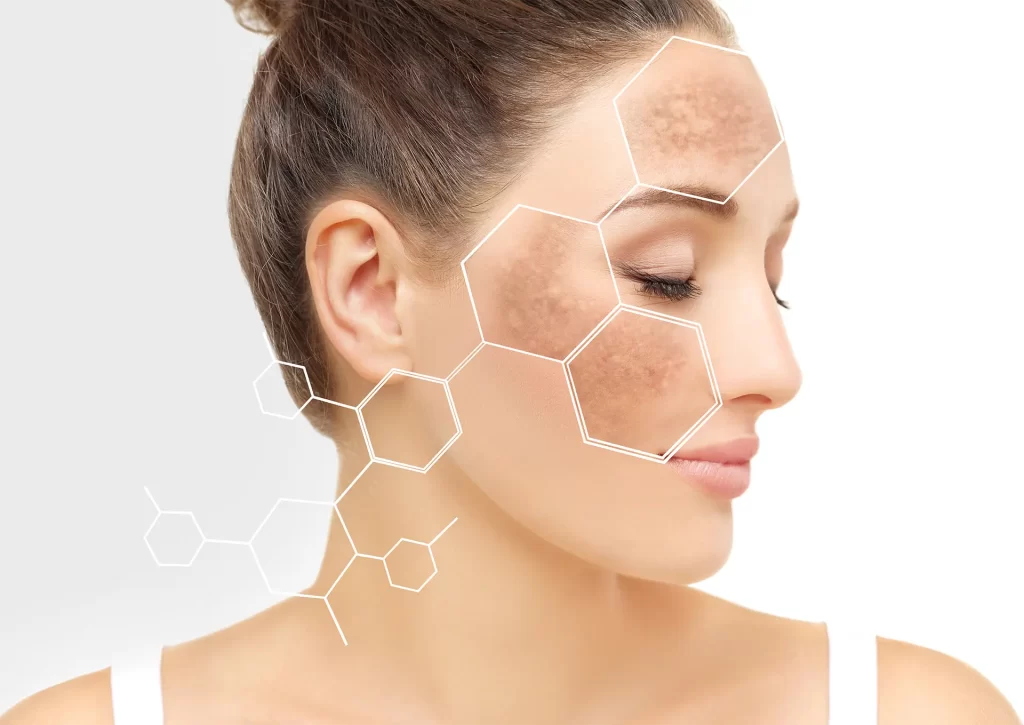
Caring for melasma involves several key steps to manage and prevent the condition from worsening.
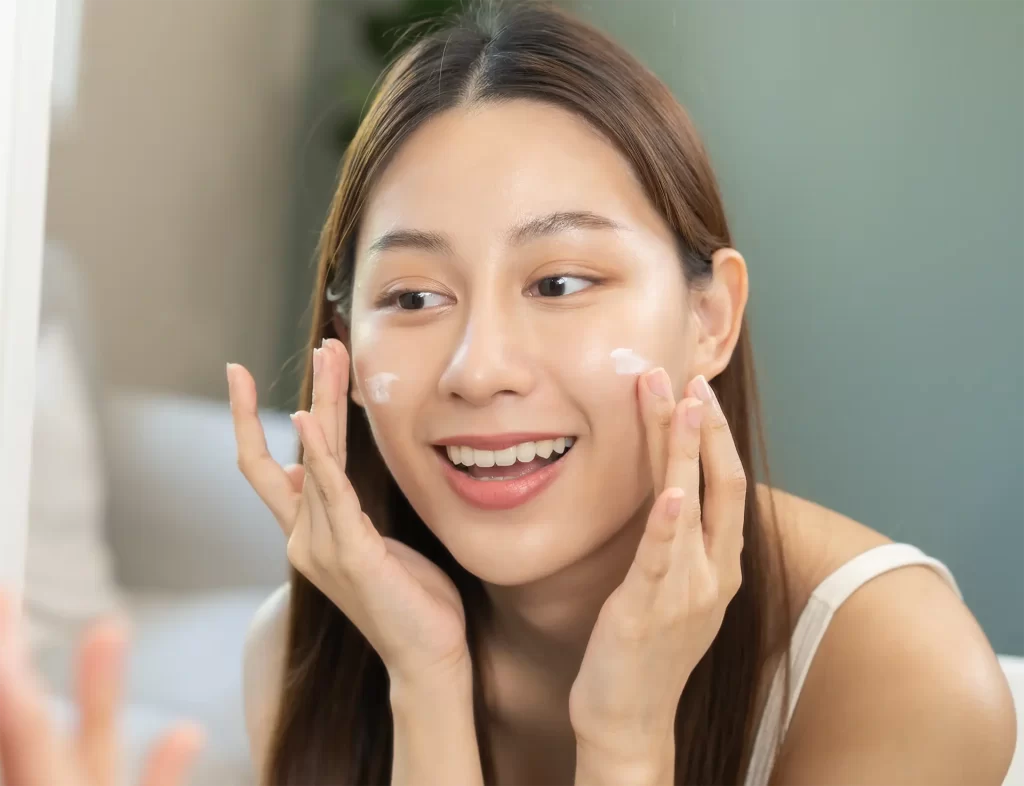
Apply a broad-spectrum sunscreen with SPF of 30 or higher every day, even on cloudy days or when indoors. Reapply every two hours when outdoors to ensure continuous protection.

Use mild, non-irritating products formulated for sensitive skin to avoid aggravation.

Stay out of the sun between 10 AM and 4 PM when UV rays are strongest. If you need to be outside, seek shade and take extra precautions.

Wear wide-brimmed hats and sunglasses to shield your face and eyes. Choose long-sleeved shirts and pants made from tightly woven fabrics for additional protection.
Apply a broad-spectrum sunscreen with SPF of 30 or higher every day, even on cloudy days or when indoors. Reapply every two hours when outdoors to ensure continuous protection.
Use mild, non-irritating products formulated for sensitive skin to avoid aggravation.
Stay out of the sun between 10 AM and 4 PM when UV rays are strongest. If you need to be outside, seek shade and take extra precautions.
Wear wide-brimmed hats and sunglasses to shield your face and eyes. Choose long-sleeved shirts and pants made from tightly woven fabrics for additional protection.
Melasma treatment in Singapore offers several options, depending on the individual’s skin type and the severity of the condition:
Daily use of creams and broad-spectrum sunscreen containing hydroquinone, tretinoin, corticosteroids, or a combination.
Light to medium peels that remove the top layer of skin.
Treatments that target and break down pigmentation.
Enhances the absorption of topical treatments.
Daily use of creams and broad-spectrum sunscreen containing hydroquinone, tretinoin, corticosteroids, or a combination.
Light to medium peels that remove the top layer of skin.
Treatments that target and break down pigmentation.
Enhances the absorption of topical treatments.
The cost of melasma pigmentation treatment in Singapore varies based on the type of treatment and the number of sessions required. On average:
$50 – $200 per month
$150 – $500 per session
$300 – $800 per session
$200 – $600 per session
At illumia Medical, the treatment for melasma starts with an initial consultation and detailed skin assessment. Our doctors will advise on treatment options and draft a comprehensive treatment plan for you, including pre-treatment guidelines.
Sessions are conducted with careful monitoring, and post-treatment care instructions are given along with follow-up visits to support skin health improvement. For detailed pricing, you can view the full price list here.
At illumia Medical, different melasma treatments are available to help you target your concerns.
At illumia Medical, every treatment begins with a thorough doctor consultation to understand your concerns and assess your individual needs. Our experienced doctors take a patient-focused approach to develop personalised treatment plans tailored to your skin goals, ensuring safe and effective outcomes.
Get In Touch
Our friendly team is looking forward to serving you. For urgent enquiries and appointment requests, please call the clinic directly.
While melasma can be significantly lightened and managed, complete removal is challenging.
Continuous treatment and maintenance are often necessary to keep pigmentation under control.
The best melasma removal methods in Singapore include laser therapy, chemical peels, and topical treatments. Each method aims to lighten the dark patches and improve skin appearance.
However, optimal results from melasma removal treatments depend on the suitability of the treatment. There is no one-size-fits-all fit and a consultation with our doctors at illumia Medical can help you to better decide on your treatment plan.
Results from melasma treatment can be seen within a few weeks, but optimal results often require multiple treatment sessions over several months.
Side effects of melasma pigmentation treatments are generally mild and may include redness, peeling, and temporary darkening of the treated area. These side effects usually last for a few days.
At illumia Medical, our doctors are committed to post-treatment care, providing appropriate medications to help patients relieve side effects and pain.
Hydroquinone is a well-known skin-lightening agent that inhibits the enzyme tyrosinase, which is involved in melanin production. This helps to lighten the dark patches of melasma over time with consistent application.
The pattern of the patches can help determine if you have melasma or hyperpigmentation. Hyperpigmentation usually appears as very focused spots, whereas melasma shows up as broad patches with areas of clear skin in between.
Yes, alternatives include azelaic acid, kojic acid, retinoids, and chemical peels. These treatments can also help lighten melasma without the use of hydroquinone.
Menopause itself is not a direct cause, but hormonal changes associated with menopause can trigger or worsen melasma.
Yes, men can undergo melasma treatment in Singapore. Although melasma is more common in women, effective treatment options are available for men as well.